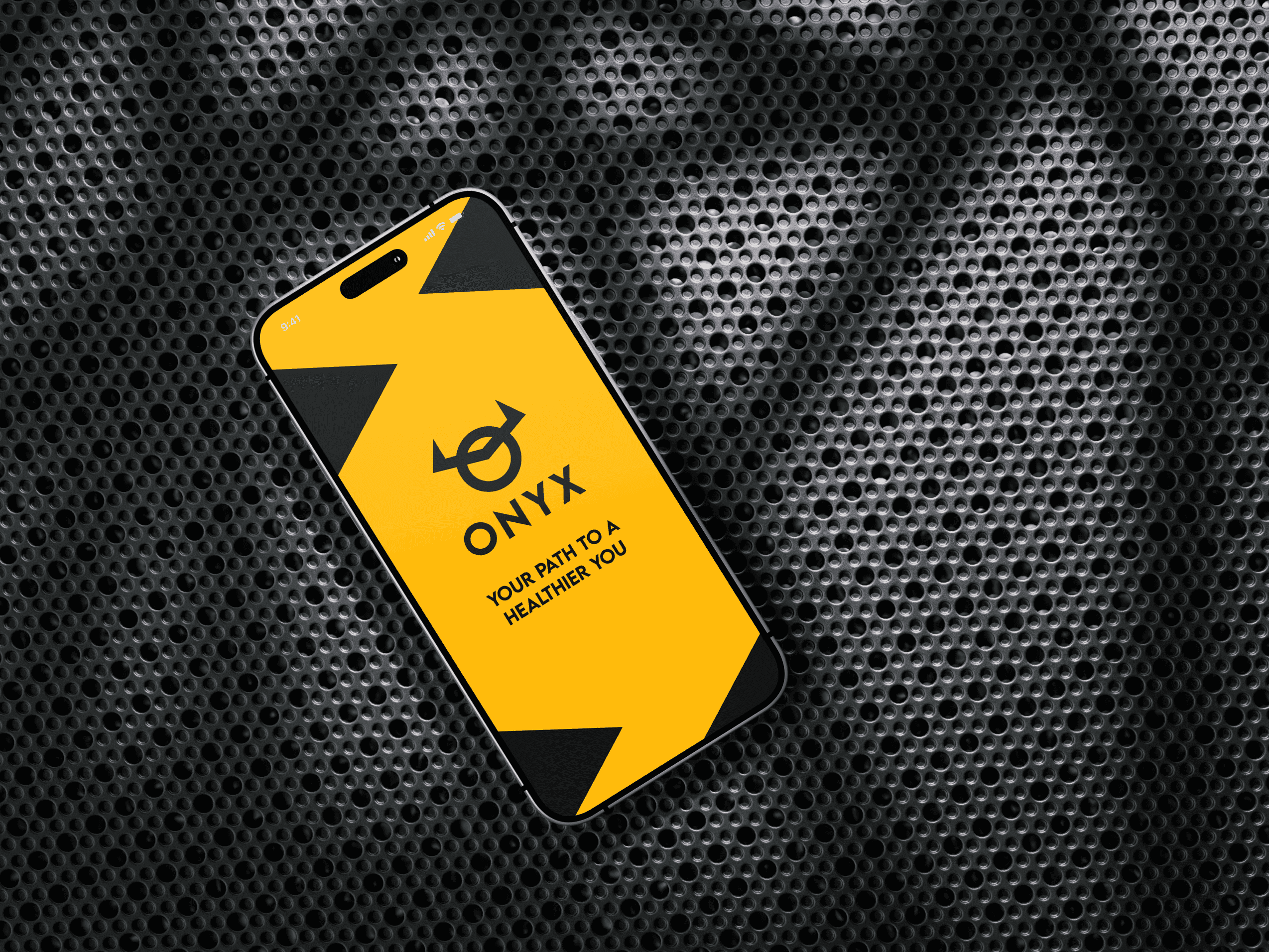
Oynx - Fitness Coaching App
This project was undertaken as a personal project with the goal of making fitness coaches jobs easier and help them scale their business with the help of user friendly interface
Case Study
Brand Identity
UI / UX Design
Problem statement
Online personal trainers often face challenges in maintaining meaningful, consistent connections with their clients through existing coaching apps. While these platforms offer tools for tracking progress and delivering workouts, many fail to recreate the sense of motivation, accountability, and personal connection found in in-person training.
How might we strengthen the connection between trainers and clients to create a more engaging and seamless fitness experience?
Stage 1
Research
I conducted in-depth research to better understand the current landscape of fitness apps, uncover pain points experienced by both trainers and clients, and identify opportunities to improve user experience.
Through this process, I explored academic studies, user reviews, and industry reports focused on satisfaction with fitness and coaching apps. Key insights some emerged:
Usability and usefulness are primary drivers of satisfaction in fitness apps.
Hedonic values, such as enjoyment and emotional engagement, have the strongest positive effect on user experience.
Perceived affection and hedonic values play a crucial role in establishing user loyalty and long-term engagement.
Identifying pain-points through user interviews
To gain a better understanding of peoples experiences with fitness apps I conducted a online survey. Here are the main takeaways
More Detailed Metrics
Many existing tracking apps lack depth in their data. Users expressed frustration that they couldn’t monitor detailed metrics such as weightlifting progressions, performance trends, or comprehensive nutrition tracking.
Reminders and notifications
Interestingly, 75% of participants said that reminders and notifications were among the least helpful features. Instead of motivating them, constant alerts often led to annoyance or disengagement.
More personalization
Participants emphasized the importance of personalization, wanting workout plans, progress insights, and communication tailored to their individual goals and preferences. Generic experiences left users feeling disconnected from their trainers.
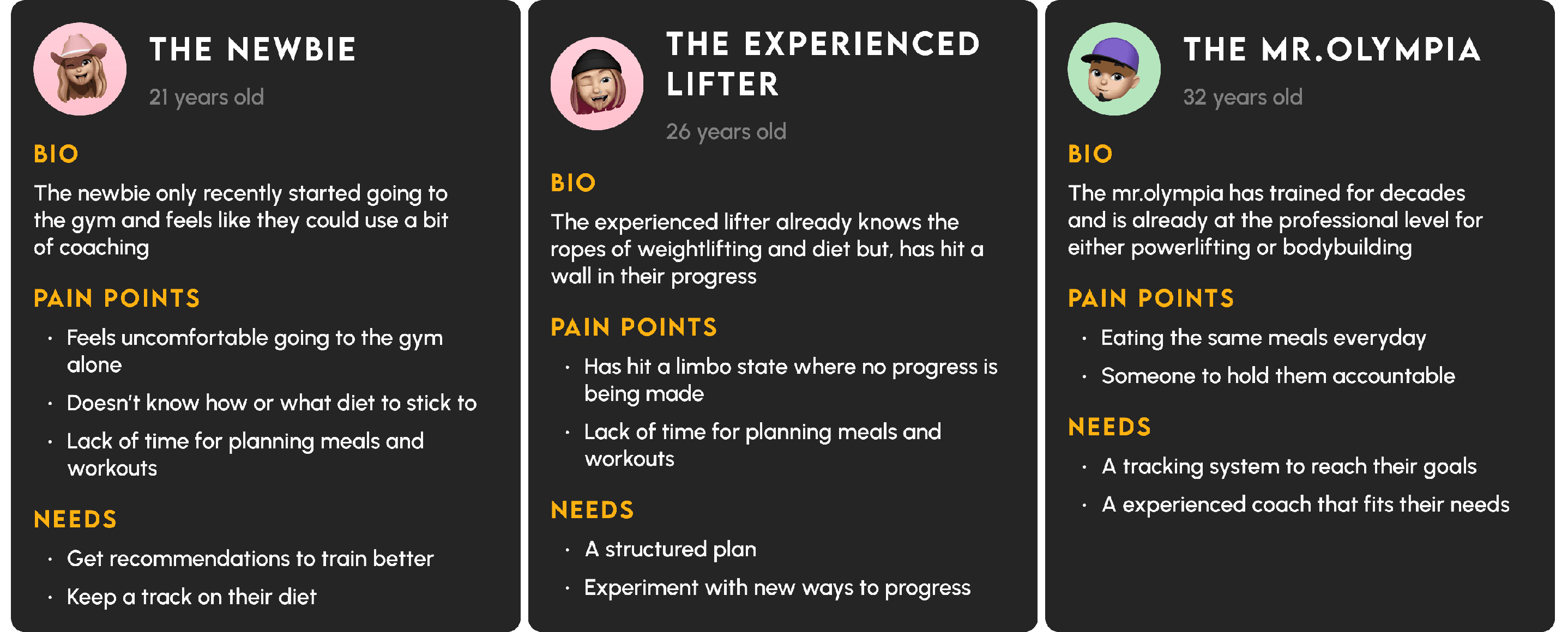
Crafting user personas
I created 3 different personas, formed by previous research, interviews and insights. These personas will better help understand users' needs, experiences, paint points and goals.
Stage 2
Design
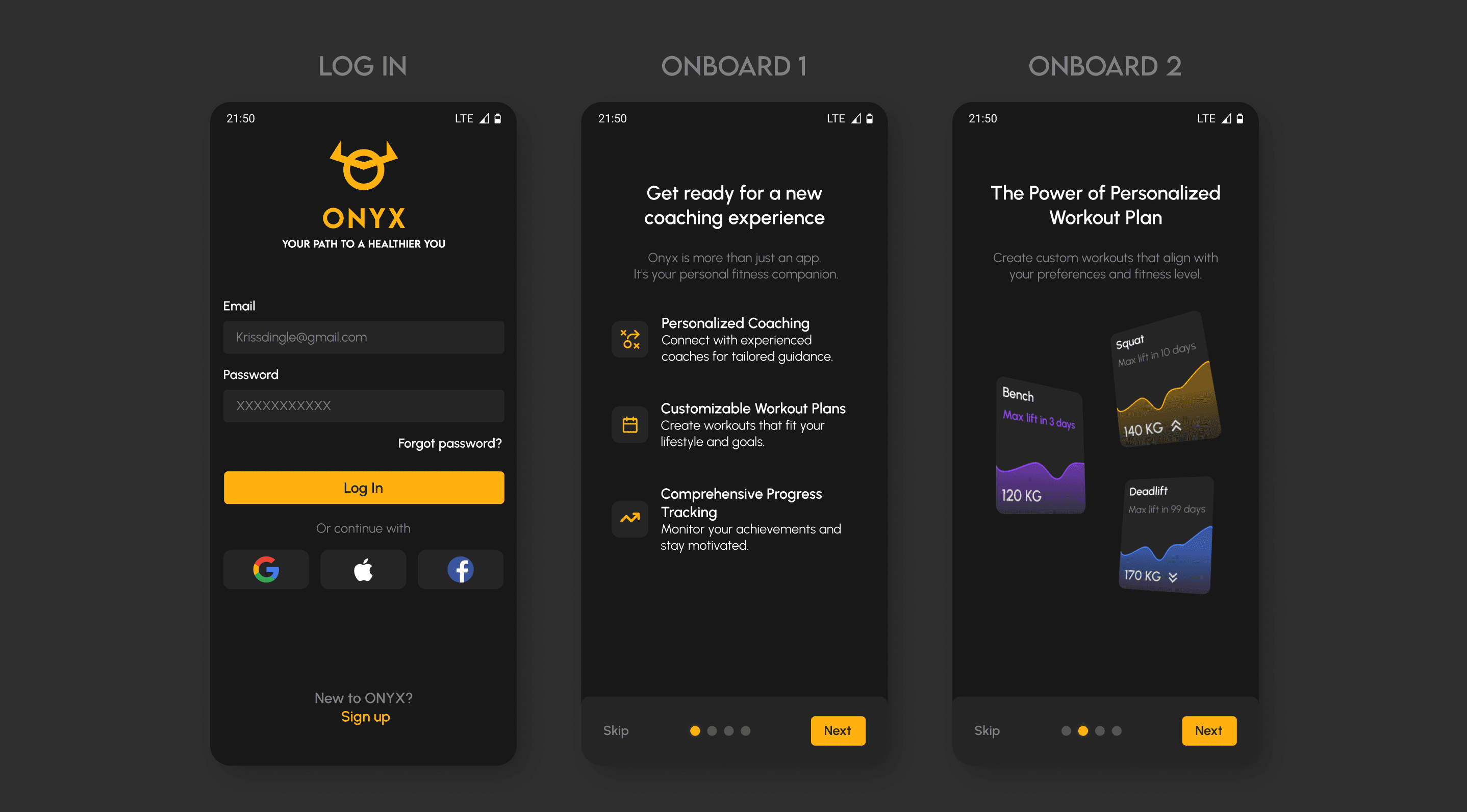
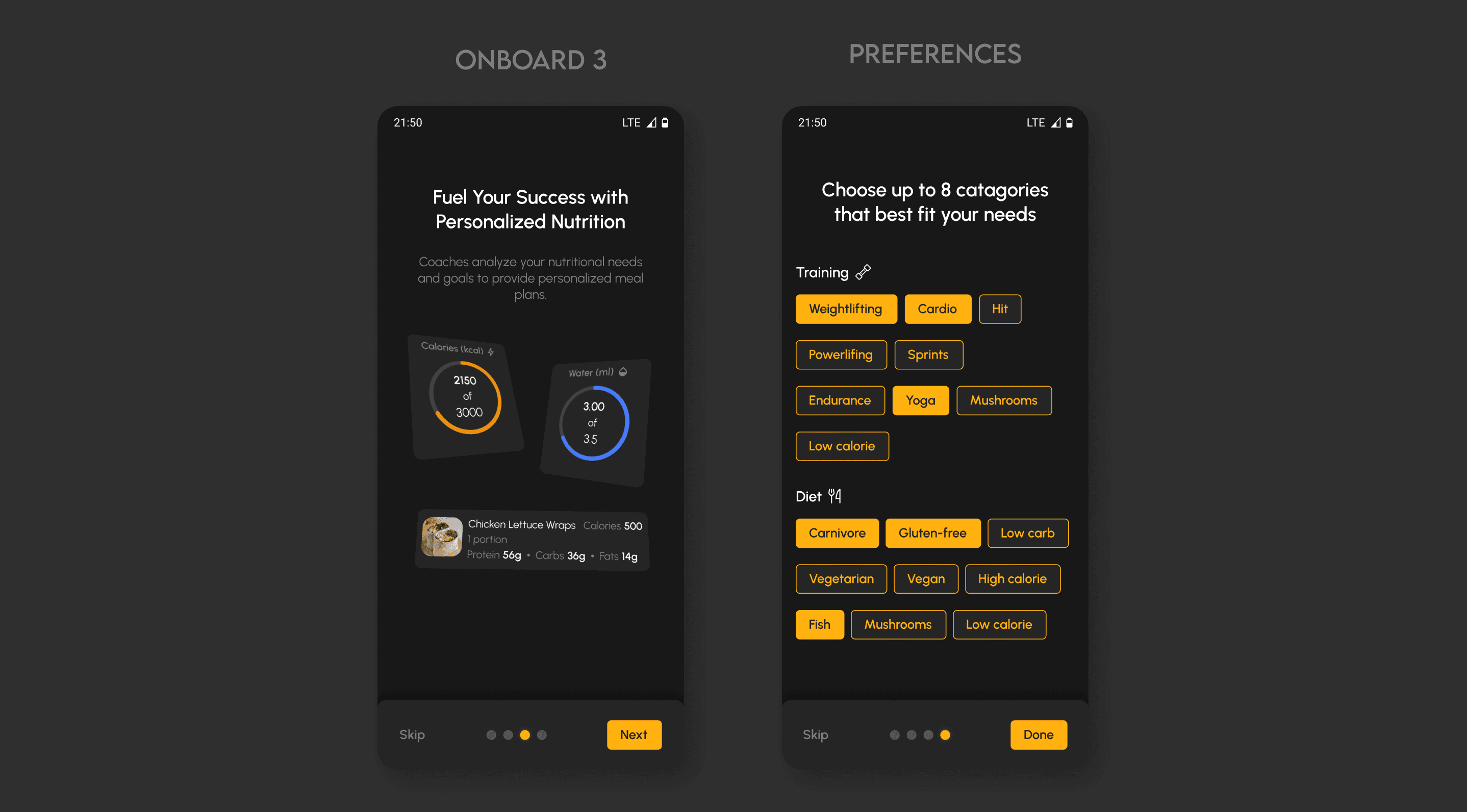
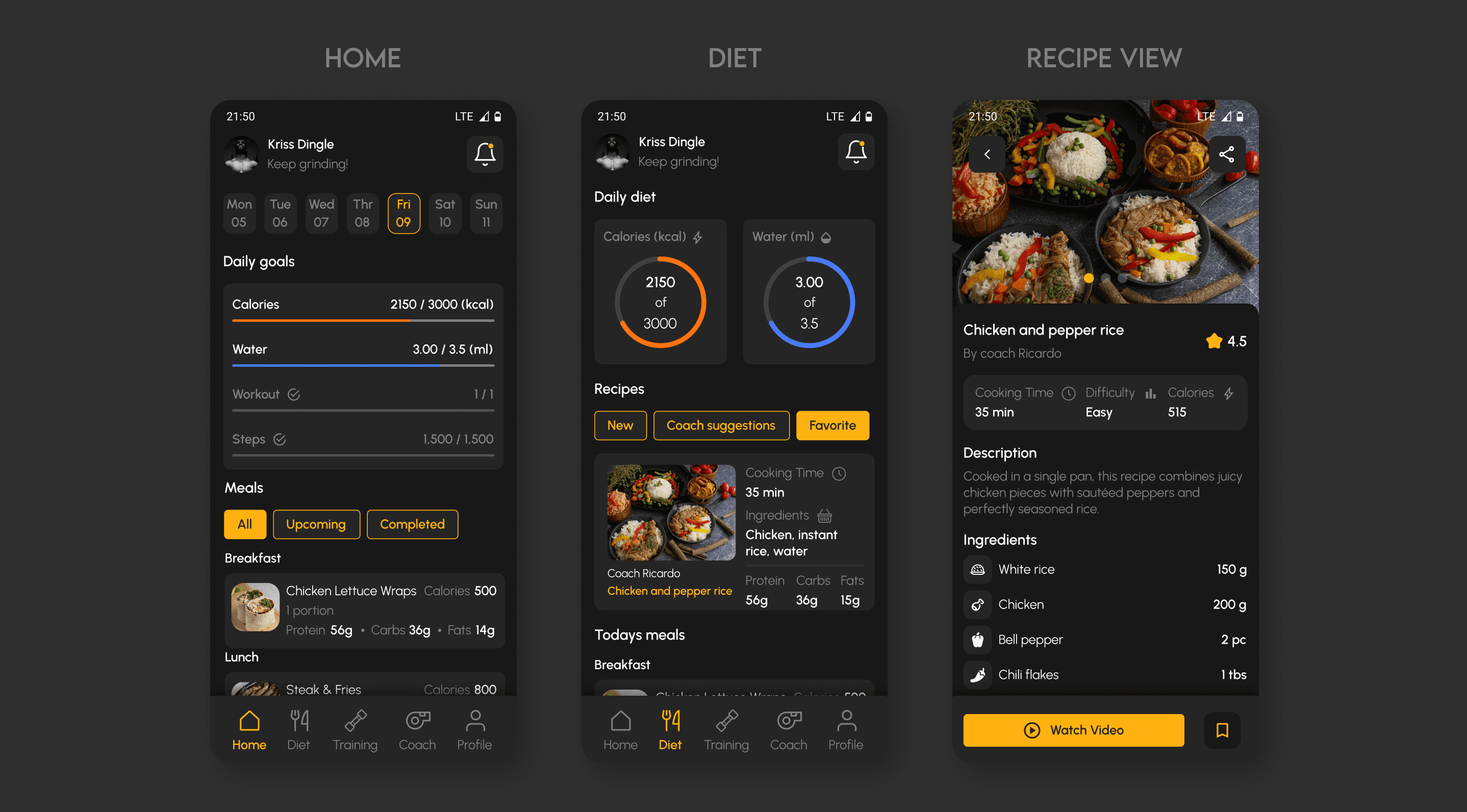
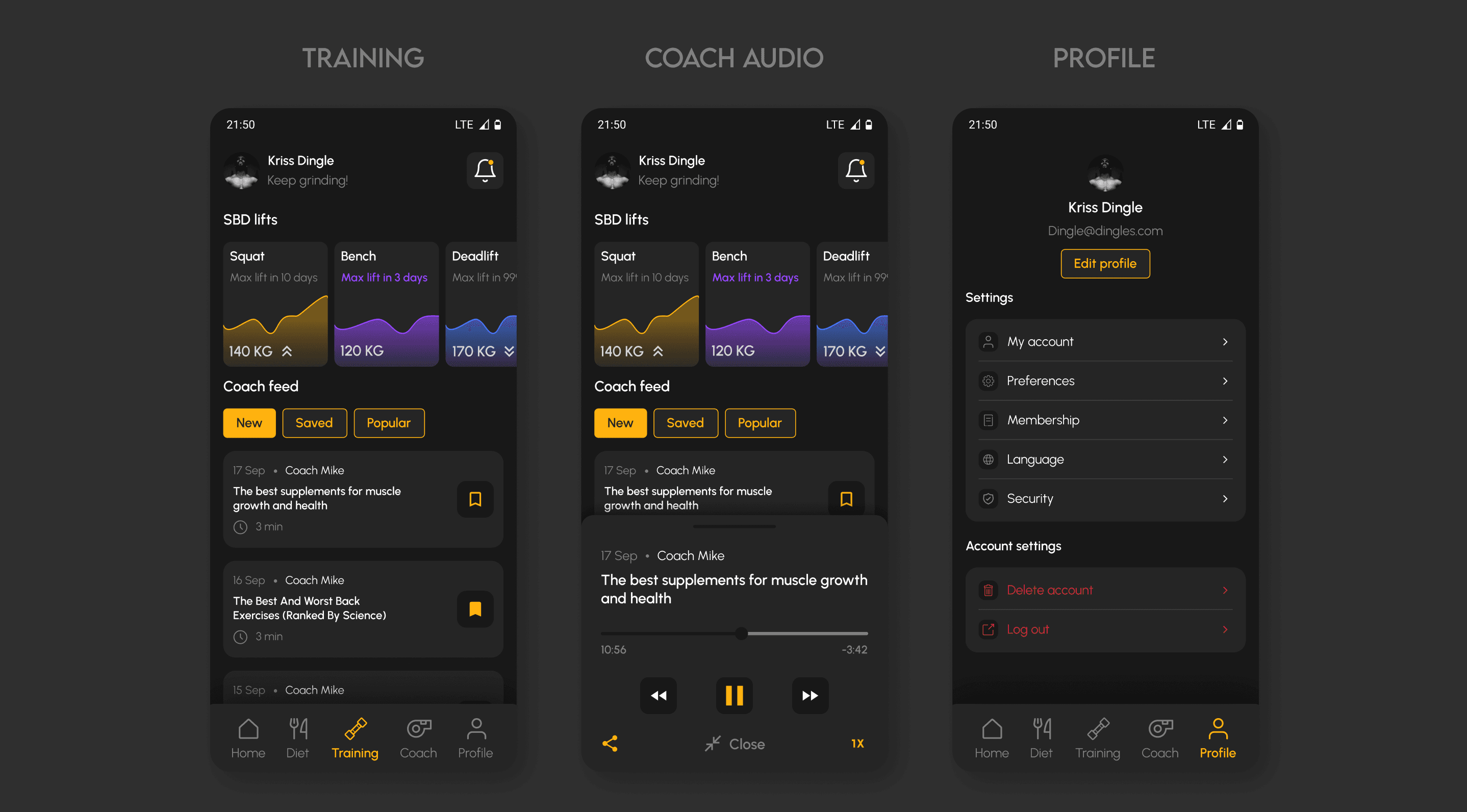
The primary goal of the design phase was to strengthen the connection between coaches and clients. Building on the insights from my research, I aimed to create features that foster communication, motivation, and personalization—ensuring a seamless experience for both trainers and users.
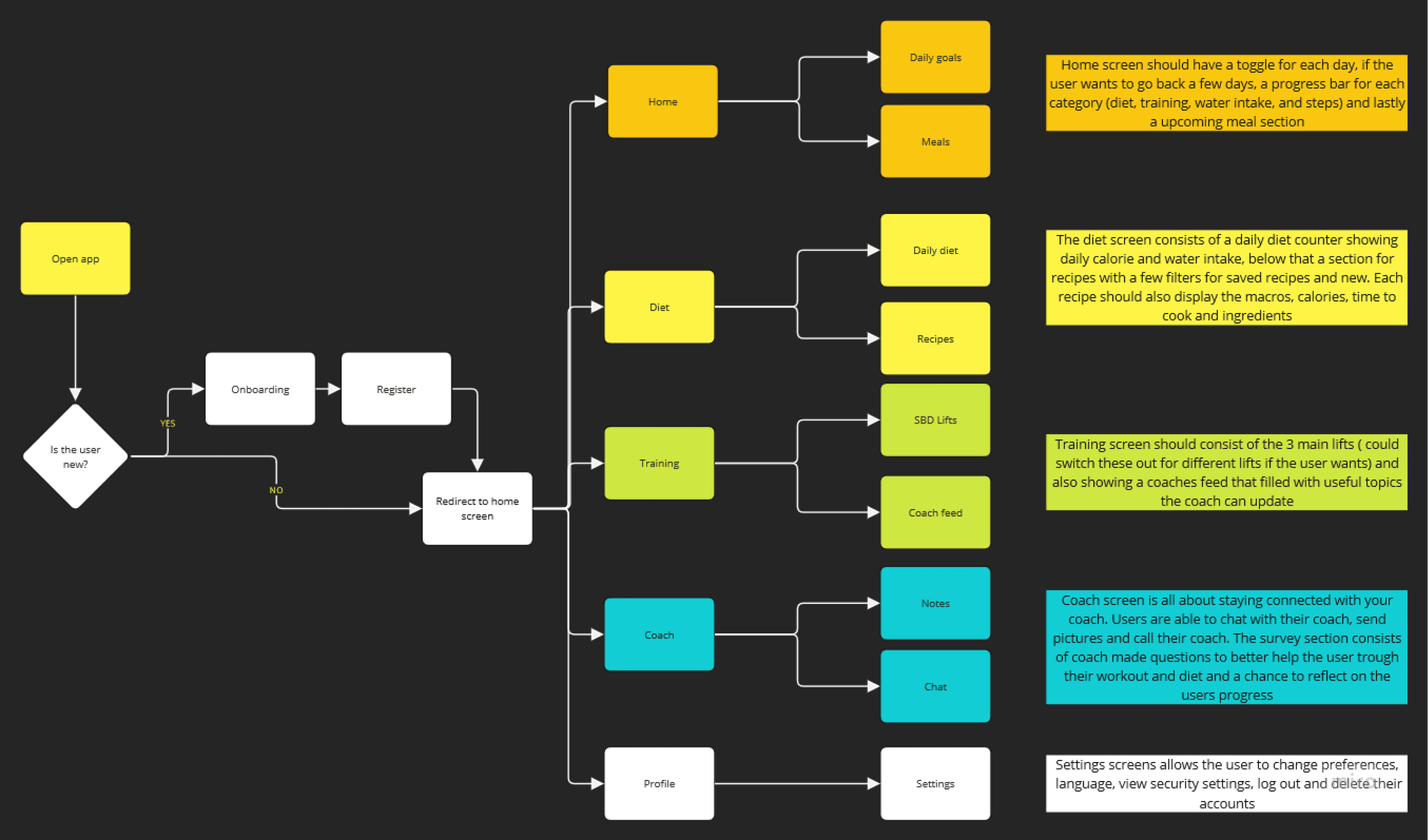
Sitemap
The goal in designing the sitemap was to create efficient pathways that allow users to effortlessly accomplish their objectives. It was essential to ensure that, regardless of their situation, users could easily locate and access what they needed.
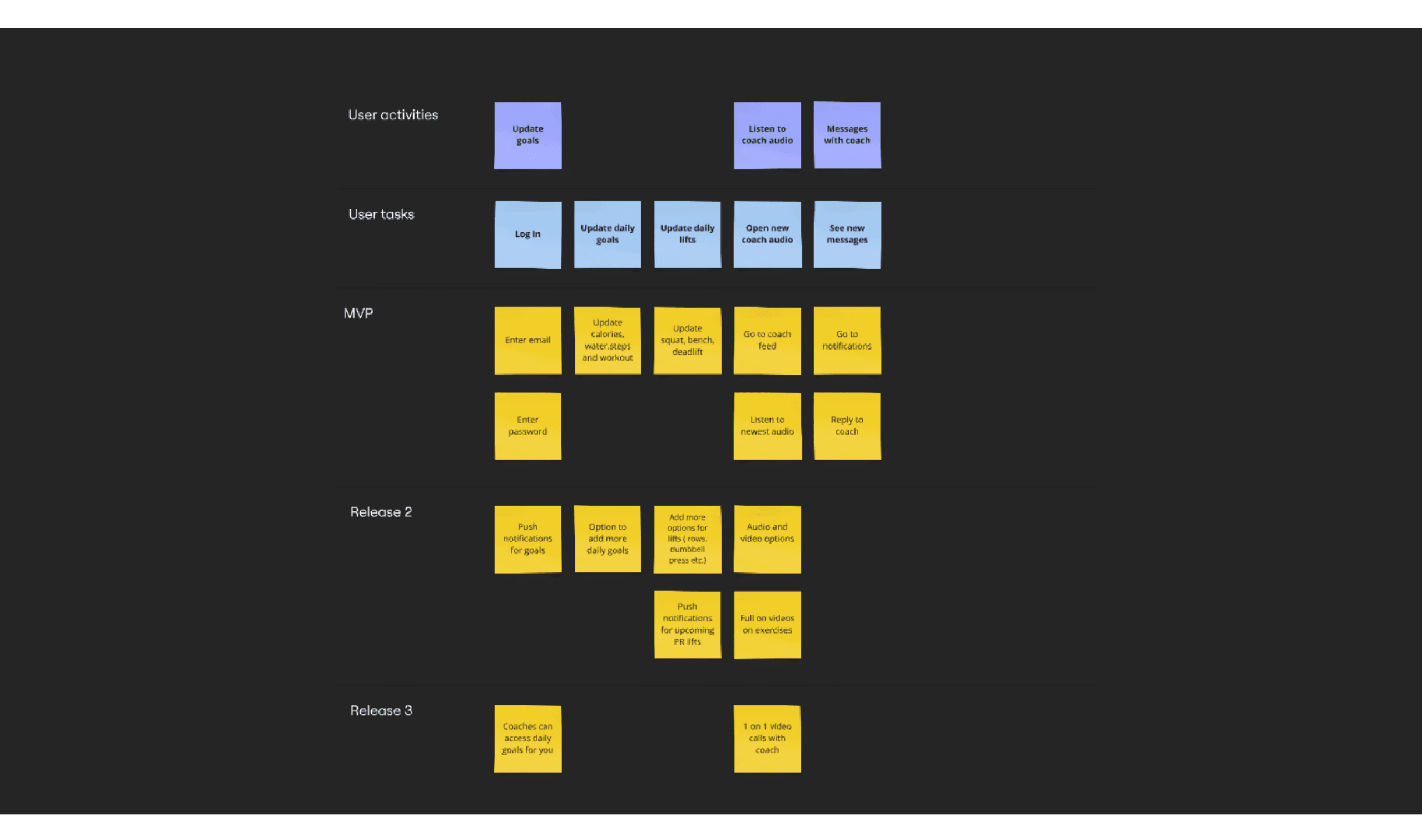
User story map
To better visualize the users journey I created a story map to put the focus on the user and their goals and needs.
Final Design
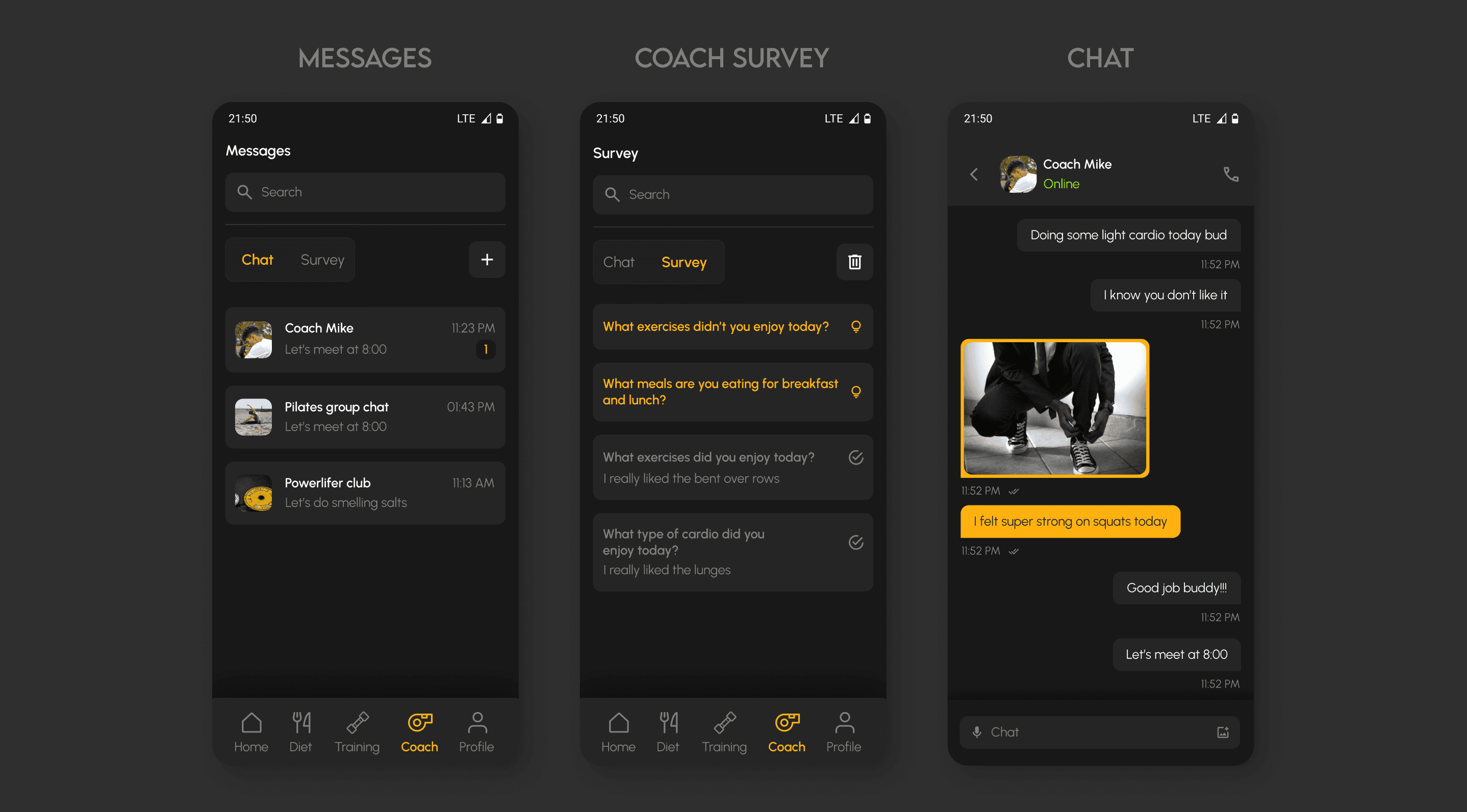
Mockups
MADE IN LATVIA
Oynx - Fitness Coaching App
This project was undertaken as a personal project with the goal of making fitness coaches jobs easier and help them scale their business with the help of user friendly interface
Case Study
Brand Identity
UI / UX Design
Problem statement
Online personal trainers often face challenges in maintaining meaningful, consistent connections with their clients through existing coaching apps. While these platforms offer tools for tracking progress and delivering workouts, many fail to recreate the sense of motivation, accountability, and personal connection found in in-person training.
How might we strengthen the connection between trainers and clients to create a more engaging and seamless fitness experience?
Stage 1
Research
I conducted in-depth research to better understand the current landscape of fitness apps, uncover pain points experienced by both trainers and clients, and identify opportunities to improve user experience.
Through this process, I explored academic studies, user reviews, and industry reports focused on satisfaction with fitness and coaching apps. Key insights some emerged:
Usability and usefulness are primary drivers of satisfaction in fitness apps.
Hedonic values, such as enjoyment and emotional engagement, have the strongest positive effect on user experience.
Perceived affection and hedonic values play a crucial role in establishing user loyalty and long-term engagement.
Identifying pain-points through user interviews
To gain a better understanding of peoples experiences with fitness apps I conducted a online survey. Here are the main takeaways
More Detailed Metrics
Many existing tracking apps lack depth in their data. Users expressed frustration that they couldn’t monitor detailed metrics such as weightlifting progressions, performance trends, or comprehensive nutrition tracking.
Reminders and notifications
Interestingly, 75% of participants said that reminders and notifications were among the least helpful features. Instead of motivating them, constant alerts often led to annoyance or disengagement.
More personalization
Participants emphasized the importance of personalization, wanting workout plans, progress insights, and communication tailored to their individual goals and preferences. Generic experiences left users feeling disconnected from their trainers.
Crafting user personas
I created 3 different personas, formed by previous research, interviews and insights. These personas will better help understand users' needs, experiences, paint points and goals.
Stage 2
Design
The primary goal of the design phase was to strengthen the connection between coaches and clients. Building on the insights from my research, I aimed to create features that foster communication, motivation, and personalization—ensuring a seamless experience for both trainers and users.
Sitemap
The goal in designing the sitemap was to create efficient pathways that allow users to effortlessly accomplish their objectives. It was essential to ensure that, regardless of their situation, users could easily locate and access what they needed.
User story map
To better visualize the users journey I created a story map to put the focus on the user and their goals and needs.
Final Design
Mockups
MADE IN LATVIA
Oynx - Fitness Coaching App
This project was undertaken as a personal project with the goal of making fitness coaches jobs easier and help them scale their business with the help of user friendly interface
Case Study
Brand Identity
UI / UX Design
Problem statement
Online personal trainers often face challenges in maintaining meaningful, consistent connections with their clients through existing coaching apps. While these platforms offer tools for tracking progress and delivering workouts, many fail to recreate the sense of motivation, accountability, and personal connection found in in-person training.
How might we strengthen the connection between trainers and clients to create a more engaging and seamless fitness experience?
Stage 1
Research
I conducted in-depth research to better understand the current landscape of fitness apps, uncover pain points experienced by both trainers and clients, and identify opportunities to improve user experience.
Through this process, I explored academic studies, user reviews, and industry reports focused on satisfaction with fitness and coaching apps. Key insights some emerged:
Usability and usefulness are primary drivers of satisfaction in fitness apps.
Hedonic values, such as enjoyment and emotional engagement, have the strongest positive effect on user experience.
Perceived affection and hedonic values play a crucial role in establishing user loyalty and long-term engagement.
Identifying pain-points through user interviews
To gain a better understanding of peoples experiences with fitness apps I conducted a online survey. Here are the main takeaways
More Detailed Metrics
Many existing tracking apps lack depth in their data. Users expressed frustration that they couldn’t monitor detailed metrics such as weightlifting progressions, performance trends, or comprehensive nutrition tracking.
Reminders and notifications
Interestingly, 75% of participants said that reminders and notifications were among the least helpful features. Instead of motivating them, constant alerts often led to annoyance or disengagement.
More personalization
Participants emphasized the importance of personalization, wanting workout plans, progress insights, and communication tailored to their individual goals and preferences. Generic experiences left users feeling disconnected from their trainers.
Crafting user personas
I created 3 different personas, formed by previous research, interviews and insights. These personas will better help understand users' needs, experiences, paint points and goals.
Stage 2
Design
The primary goal of the design phase was to strengthen the connection between coaches and clients. Building on the insights from my research, I aimed to create features that foster communication, motivation, and personalization—ensuring a seamless experience for both trainers and users.
Sitemap
The goal in designing the sitemap was to create efficient pathways that allow users to effortlessly accomplish their objectives. It was essential to ensure that, regardless of their situation, users could easily locate and access what they needed.
User story map
To better visualize the users journey I created a story map to put the focus on the user and their goals and needs.
Final Design
Mockups
MADE IN LATVIA